How to Eat Less Processed Foods without Spending More
If you’ve ever tried to eat “healthier” and watched your grocery bill climb, you’re not alone. For many women, the idea of eating less processed food feels expensive, time-consuming, and overwhelming.
But here’s the truth:
Eating less processed food doesn’t require specialty ingredients, strict rules, or a bigger budget. It requires a shift in how you shop, cook, and think about food.
This post will walk you through practical, realistic ways to eat more real food — without spending more money or more mental energy.
1. Stop Buying “Healthy” Processed Foods
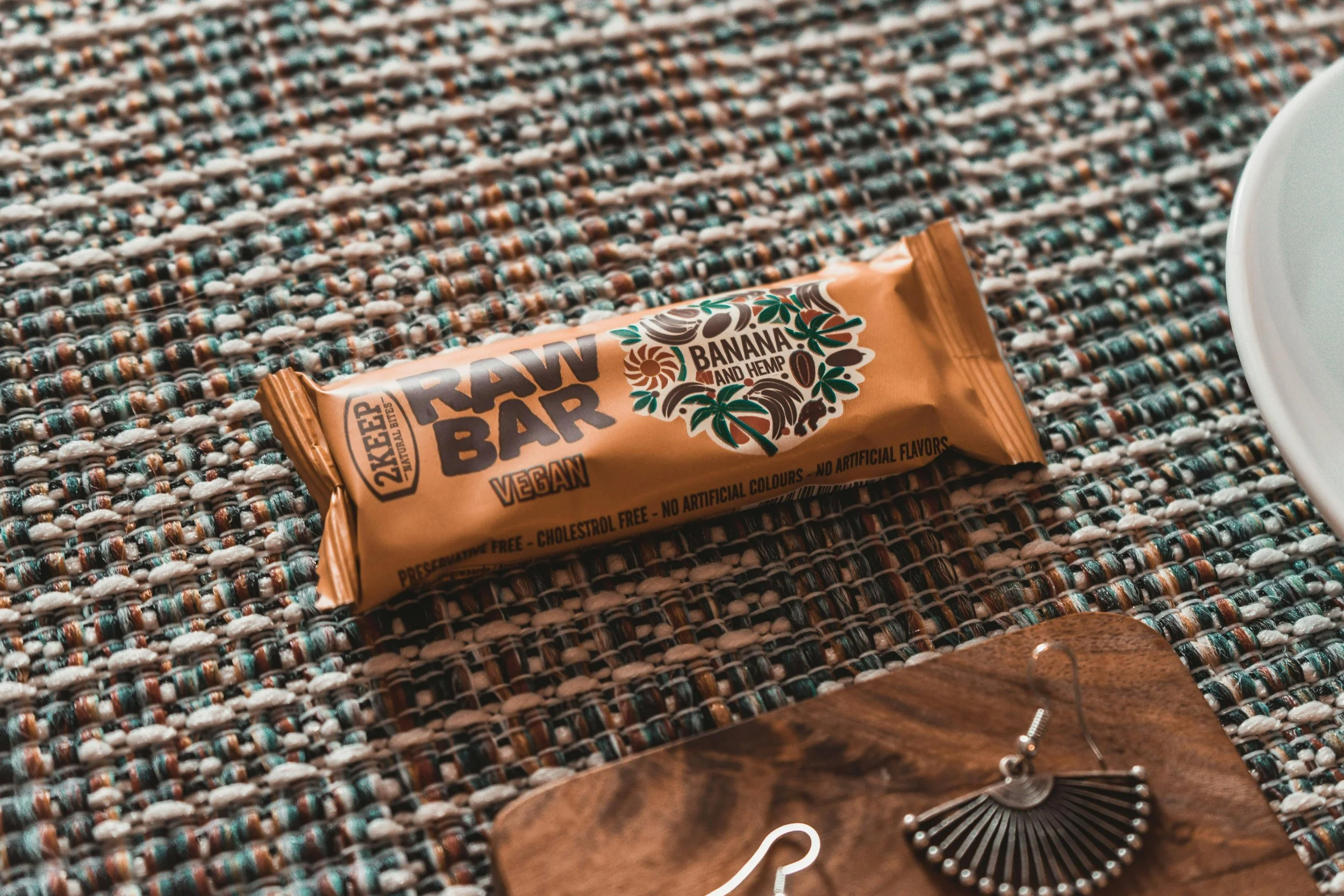
One of the biggest budget traps is replacing ultra-processed food with slightly better packaged versions.
Think:
Protein bars
Organic frozen meals
“Clean” snack foods
Pre-made sauces and bowls
These items are often more expensive than both conventional processed food and simple whole ingredients.
Instead of buying “healthy convenience,” buy basic ingredients:
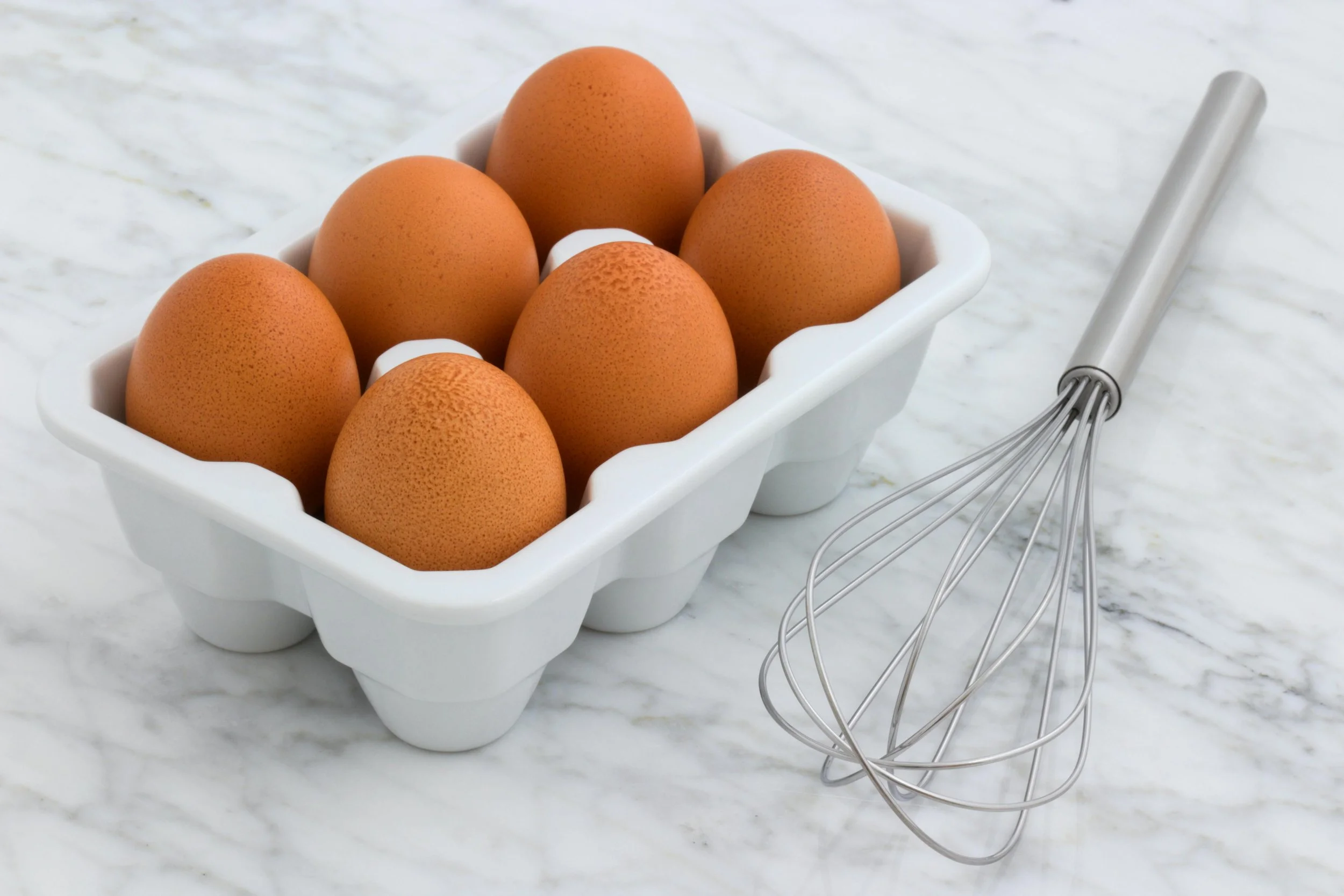
Eggs instead of bars
Rice instead of boxed grain mixes
Chicken thighs instead of pre-marinated meats
Simple food is usually cheaper food.
2. Choose Repeating Ingredients, Not Endless Variety
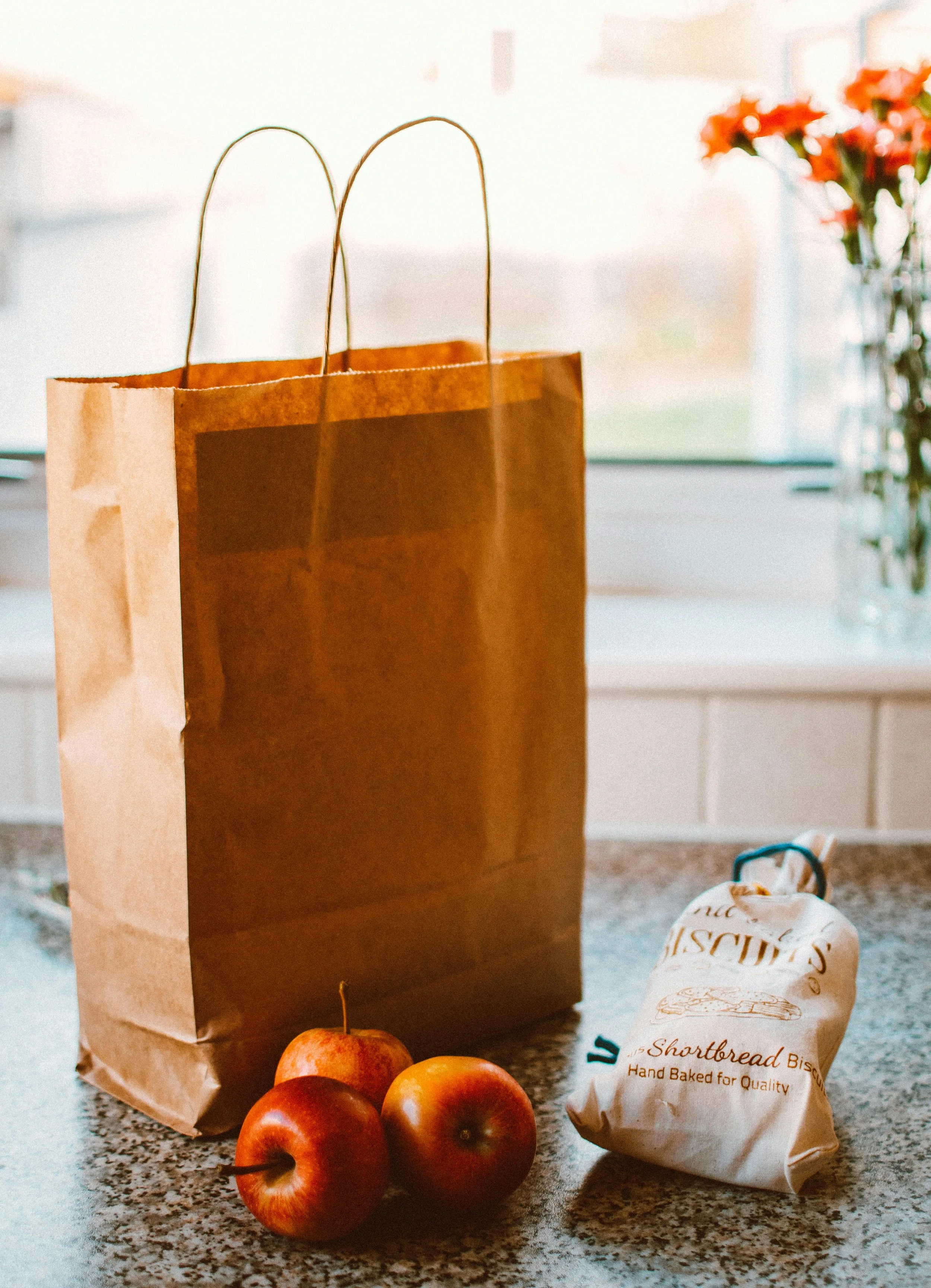
Social media makes it look like every meal needs to be new and exciting. In real life, that expectation leads to:
Overbuying groceries
Food waste
Decision fatigue
Eating less processed food becomes easier and cheaper when you:
Repeat proteins
Rotate vegetables
Reuse grains across meals
This doesn’t mean boring meals — it means intentional simplicity.
When the same ingredients show up in multiple dishes, you spend less and waste less.
3. Buy Ingredients That Do Multiple Jobs
Processed food often feels cheaper because it’s “one and done.”
Real food stays affordable when ingredients are versatile.
Look for foods that can be:
Breakfast, lunch, and dinner
A main dish or a side
Cooked once and used multiple times
Examples:
Eggs
Rice
Onions
Chicken
Sweet potatoes
These staples stretch far beyond a single meal.
4. Cook Once, Eat Multiple Times
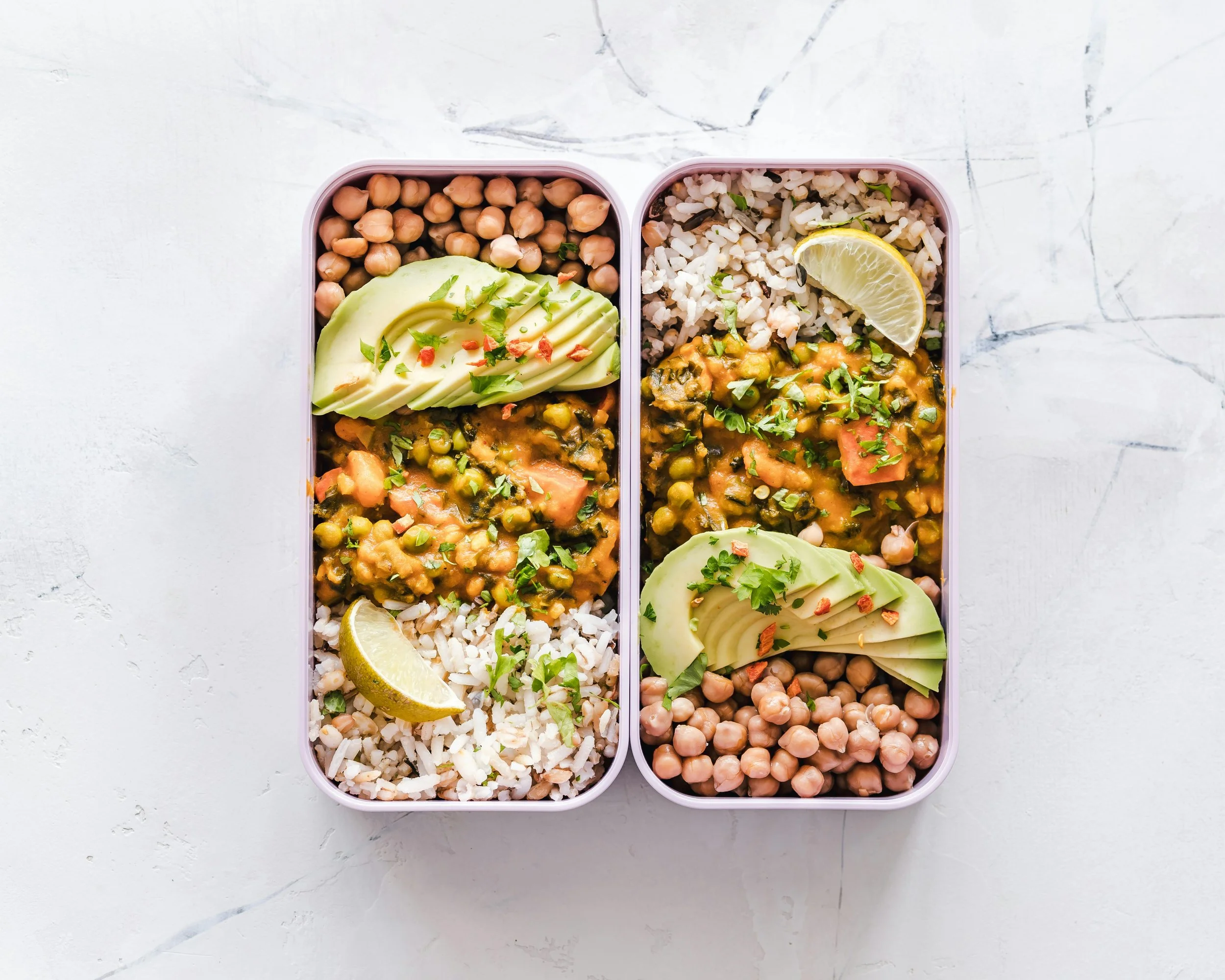
You don’t need to cook every night to eat real food.
One of the simplest shifts you can make is cooking components instead of full meals:
Roast vegetables once
Cook a batch of rice
Bake or grill protein ahead of time
Then, during the week, you’re just:
Reheating
Combining
Adding flavor
This approach saves money and protects your energy — which is often the real barrier to eating well.
5. Use Flavor, Not Packaged Sauces
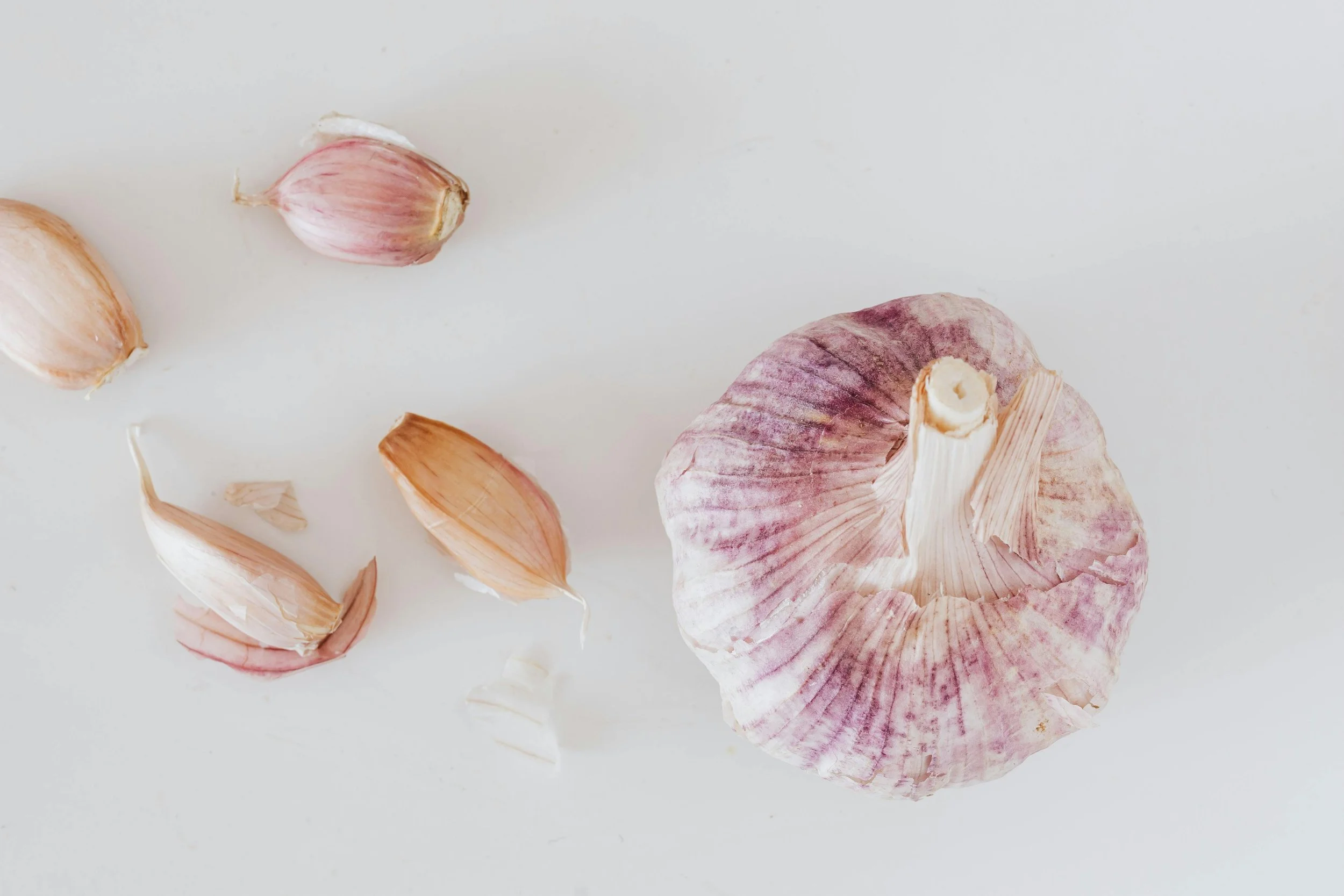
Many people rely on processed food because they think real food will be bland. The fix isn’t store-bought sauces — it’s learning to use simple flavor well.
A few basics go a long way:
Olive oil
Garlic
Salt and pepper
Paprika
Lemon
These ingredients are inexpensive and can transform the same meal into something you actually want to eat.
Flavor keeps you from reaching for convenience food later.
6. Give Yourself Permission to Be “Good Enough”
Trying to eat perfectly often leads to spending more — because perfection usually means:
Specialty ingredients
Rigid rules
Restarting every Monday
Eating less processed food works best when it’s flexible.
Some weeks will be smoother than others. Some meals will be repetitive. Some days you’ll use shortcuts.
That doesn’t mean you’ve failed — it means you’re eating like a real person.
A Simple Way to Start (Without Overthinking It)
If eating less processed food feels like too much to figure out on your own, having a clear plan can make all the difference.
I created a 14-day simple meal plan designed for busy women who want:
Fewer processed foods
Simple grocery lists
Repeating ingredients
Minimal prep
Flavorful, realistic meals
It includes:
A full grocery list
A 14-day meal plan
Simple recipes
Exact prep instructions so you’re not cooking every night
You can find it here:
14 Day Simple, Real Food Meal Plan
Final Thoughts
Eating less processed food isn’t about doing more — it’s about doing less, more intentionally.
You don’t need perfection.
You don’t need expensive “health” foods.
You don’t need to overhaul your life.
You just need a simple rhythm that works for you.
And that’s always worth building.